New Batch Starting Soon Enroll Now!

New Batch Starting on 25 JAN 2025!

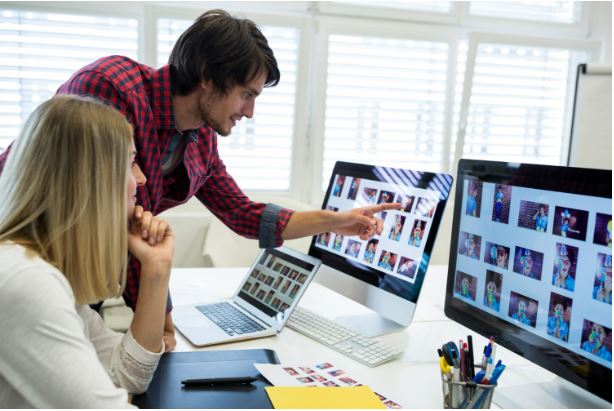
In this digital age, visuals are super important for online businesses. They show brand value and identity in a huge, competitive marketing landscape.
Now, does this mean images should be unique?
Yes, your organization's visuals must be distinct and different from other generic photos. But how can you check the originality of the pictures on your own? If you want the answer to this question, read this guide!
In this article, we will explore all possible ways to check whether your pictures are unique.
Online businesses are identified and recognized with pictures. So, creating original images that show value and have a unique voice is not just an option, it is essential. And the best way to reduce matching chances in your photos is to produce original ones.
First, businesses, especially startups, should hire expert designers who can understand the importance of visuals in the digital world. But if you don’t have the budget, you can also do this on your own, especially in the beginning phases of your business.Websites like Eternal Templates can help you to create personalized wishes and greeting images for various occasions for free without any design skills.
So, make a proper strategy that defines:
Doing so is important because the original images not only attract attention but also distinguish your business and build trust.
Wondering how to do so? Follow the tips below:
Creating original images is surely better. But there are situations when marketers turn to AI photos due to a shortage of time, resources, or ideas.
For the convenience of quick image production, you can also get assistance from AI, but using it as-is can harm your business. It’s crucial to modify and align them according to your brand’s essence.
So, consider an AI image as the first draft or inspiration. Then, use these strategies to adapt and enhance them according to your liking:
That’s how you can easily create original, on-brand, and compelling pictures with AI in a short time period. But don’t take AI as a replacement; use it just as an advanced assistant to help guide the development of your pictures.
After creating the image, you may think it can still be improved, right? It happens! That’s where the image editing tools become really helpful.
So, whether you want to polish visuals, enhance quality, or work on different elements, these tools allow you to do that.
The most famous names in this regard are Photoshop, Canva, and Figma. They can control the entire image essentials, such as lighting, color, sharpness, etc. To ensure your image looks professional and engaging, you can rely on them.
Beyond just basic improvements, you can also do the following with these giants:
When you use editing tools thoughtfully, they don’t just “fix” images, but refine them into a brand-ready form. That's how you can make an image that is meaningful, clean, and strategically designed.
Even if you make an image on your own, don’t forget to check its originality. That’s because duplicate elements weaken business identity, harm reputation, and may cause trusted connections to disengage. In some situations, copyright concerns also arise.
That’s why it’s important to see whether the image you create matches some existing graphic or is purely original. It can happen because sometimes, especially when taking inspiration, creators make matching pictures.
Now, this is a common issue. But you can address this with a reverse image search tool. How?
Well, it can help you see if there are any similar visuals already appearing online. You just need to upload or input the image, and the tool will scan the features of your picture and display the results. Through this, you can compare your ready-made image with similar ones, if they exist.
This verification is highly required to save your brand from unintentional similarity issues, especially when you use AI or are inspired by someone’s idea.
Moreover, in this competitive landscape, you should not just stick with creativity to ensure uniqueness when quick verification is possible.
Thinking about what to do when the image highly matches with some resource? Let’s learn about it in the next section.
Trends attract the audience, so you should follow them. But don’t forget that many competitors may have used them before. In this way, your content may lose its true impact or reduce credibility. So, what to do then?
Consider trends just as the inspiration or direction of the image. Then, create an image on your own. But if you have made one that matches with other resources, analyze how styles, filters, or templates can differentiate your image. Add your own twist, like:
In short, ignoring trends can lower your digital presence. So, take them just for the idea and build a unique one that authentically portrays your brand value and purpose.
When you optimize a picture for your business the matching possibilities decrease. So, focus on these key points for successful branding practices on image:
With such practice, your brand pictures not only become original but also effective for marketing.
Prioritizing uniqueness is more than just a nice-to-have feature because it saves you from serious integrity risks and helps drive results. Whether you are a beginner or have been in the market for years, you can’t run a digital business effectively by compromising on image quality.
For better ROI and expected results, follow today’s tips to craft unique images. First, research properly, then analyze what type of image works effectively for your niche. Thanks to editing tools that allow you to modify images however you need.
Get assistance from AI, take inspiration from professionals, but don’t ignore your voice and thoughts to shine through images. This is really what makes them stand apart from competitors. And before publishing, verify them to ensure they are not used elsewhere.
Overall, your business needs original images for better results, strong credibility, high engagement, and a lasting impression on viewers.
.jpg)

In this digital age, visuals are super important for online businesses. They show brand value and identity in a huge, competitive marketing landscape.
Now, does this mean images should be unique?
Yes, your organization's visuals must be distinct and different from other generic photos. But how can you check the originality of the pictures on your own? If you want the answer to this question, read this guide!
In this article, we will explore all possible ways to check whether your pictures are unique.
Online businesses are identified and recognized with pictures. So, creating original images that show value and have a unique voice is not just an option, it is essential. And the best way to reduce matching chances in your photos is to produce original ones.
First, businesses, especially startups, should hire expert designers who can understand the importance of visuals in the digital world. But if you don’t have the budget, you can also do this on your own, especially in the beginning phases of your business.Websites like Eternal Templates can help you to create personalized wishes and greeting images for various occasions for free without any design skills.
So, make a proper strategy that defines:
Doing so is important because the original images not only attract attention but also distinguish your business and build trust.
Wondering how to do so? Follow the tips below:
Creating original images is surely better. But there are situations when marketers turn to AI photos due to a shortage of time, resources, or ideas.
For the convenience of quick image production, you can also get assistance from AI, but using it as-is can harm your business. It’s crucial to modify and align them according to your brand’s essence.
So, consider an AI image as the first draft or inspiration. Then, use these strategies to adapt and enhance them according to your liking:
That’s how you can easily create original, on-brand, and compelling pictures with AI in a short time period. But don’t take AI as a replacement; use it just as an advanced assistant to help guide the development of your pictures.
After creating the image, you may think it can still be improved, right? It happens! That’s where the image editing tools become really helpful.
So, whether you want to polish visuals, enhance quality, or work on different elements, these tools allow you to do that.
The most famous names in this regard are Photoshop, Canva, and Figma. They can control the entire image essentials, such as lighting, color, sharpness, etc. To ensure your image looks professional and engaging, you can rely on them.
Beyond just basic improvements, you can also do the following with these giants:
When you use editing tools thoughtfully, they don’t just “fix” images, but refine them into a brand-ready form. That's how you can make an image that is meaningful, clean, and strategically designed.
Even if you make an image on your own, don’t forget to check its originality. That’s because duplicate elements weaken business identity, harm reputation, and may cause trusted connections to disengage. In some situations, copyright concerns also arise.
That’s why it’s important to see whether the image you create matches some existing graphic or is purely original. It can happen because sometimes, especially when taking inspiration, creators make matching pictures.
Now, this is a common issue. But you can address this with a reverse image search tool. How?
Well, it can help you see if there are any similar visuals already appearing online. You just need to upload or input the image, and the tool will scan the features of your picture and display the results. Through this, you can compare your ready-made image with similar ones, if they exist.
This verification is highly required to save your brand from unintentional similarity issues, especially when you use AI or are inspired by someone’s idea.
Moreover, in this competitive landscape, you should not just stick with creativity to ensure uniqueness when quick verification is possible.
Thinking about what to do when the image highly matches with some resource? Let’s learn about it in the next section.
Trends attract the audience, so you should follow them. But don’t forget that many competitors may have used them before. In this way, your content may lose its true impact or reduce credibility. So, what to do then?
Consider trends just as the inspiration or direction of the image. Then, create an image on your own. But if you have made one that matches with other resources, analyze how styles, filters, or templates can differentiate your image. Add your own twist, like:
In short, ignoring trends can lower your digital presence. So, take them just for the idea and build a unique one that authentically portrays your brand value and purpose.
When you optimize a picture for your business the matching possibilities decrease. So, focus on these key points for successful branding practices on image:
With such practice, your brand pictures not only become original but also effective for marketing.
Prioritizing uniqueness is more than just a nice-to-have feature because it saves you from serious integrity risks and helps drive results. Whether you are a beginner or have been in the market for years, you can’t run a digital business effectively by compromising on image quality.
For better ROI and expected results, follow today’s tips to craft unique images. First, research properly, then analyze what type of image works effectively for your niche. Thanks to editing tools that allow you to modify images however you need.
Get assistance from AI, take inspiration from professionals, but don’t ignore your voice and thoughts to shine through images. This is really what makes them stand apart from competitors. And before publishing, verify them to ensure they are not used elsewhere.
Overall, your business needs original images for better results, strong credibility, high engagement, and a lasting impression on viewers.